
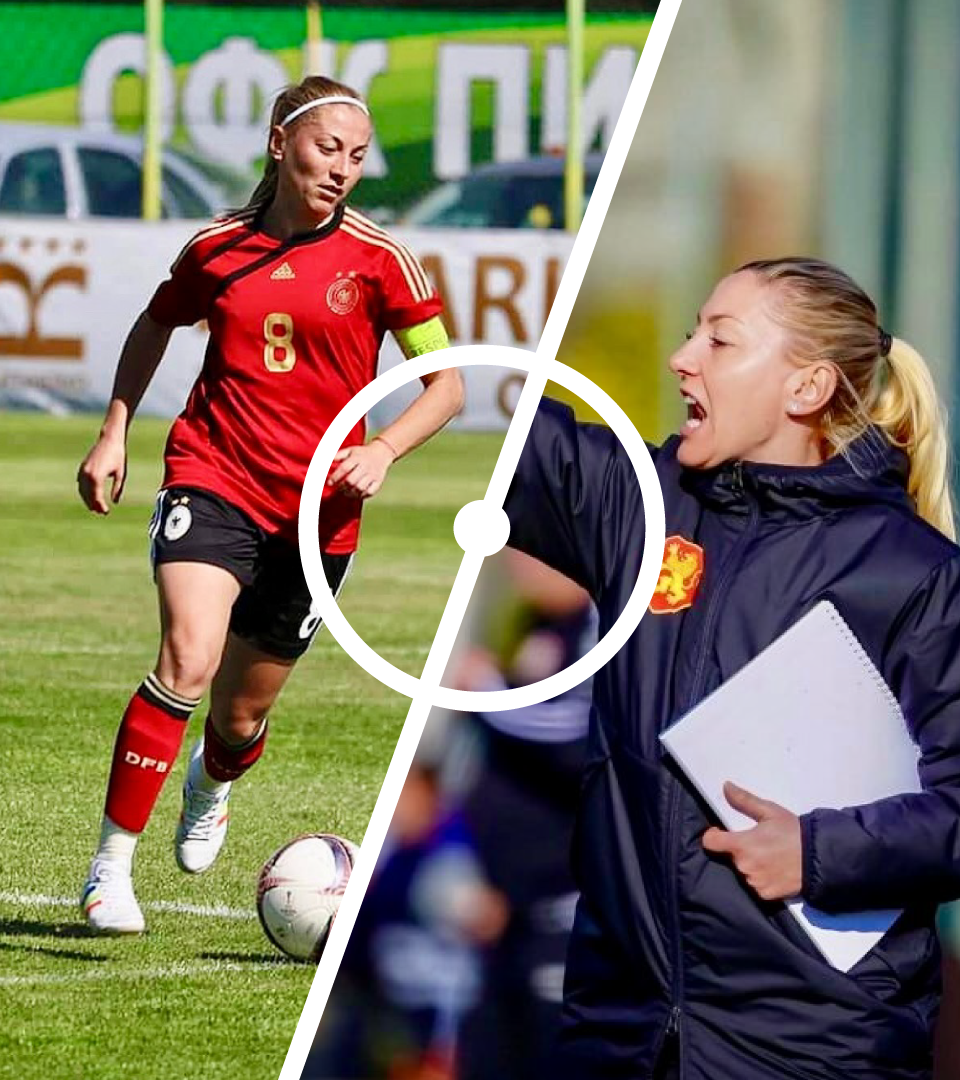
Dr. Silviya Radoyska
Growing Beyond Football Through a Dual Career
Sport: Football
Club: Ludogorets (Head of Women’s Football), former NSA Sofia player
Country: Bulgaria
Dual Career:
Elite football player, national team captain, coach, football director, and academic (PhD and lecturer), while continuing education through the UEFA Pro Licence programme.
Advice for Young Athletes:
Don’t focus only on football — invest in your education and personal development as well. This will help you build a better future, both during and after your sporting career.
As part of the EDU-DC project, the Ambassador’s Team brings together experienced athletes who share their personal journeys of combining football with education, work, and life beyond the pitch. Their stories aim to inspire young players to think beyond sport and develop skills for the future.
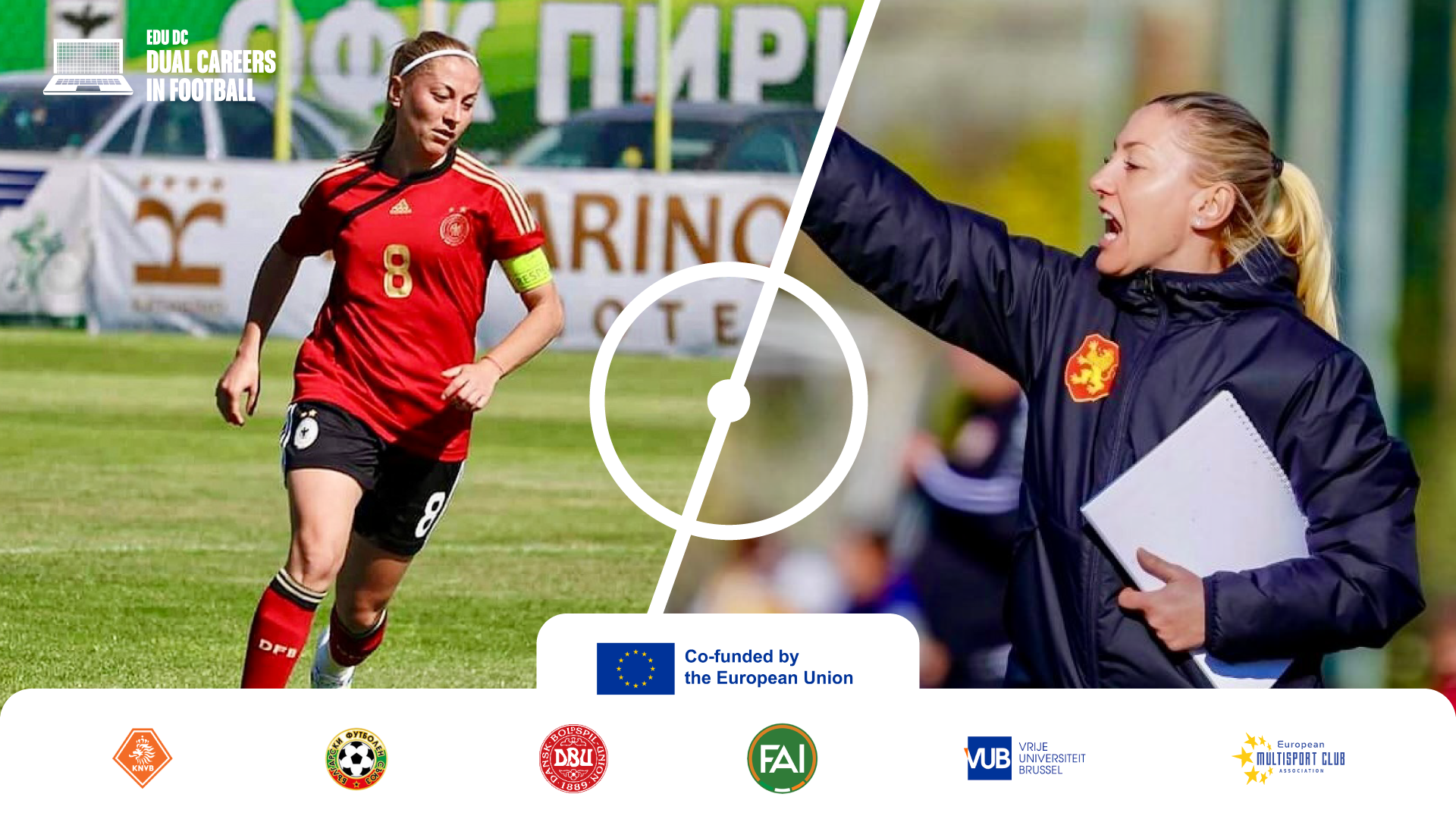
We had the opportunity to speak with Dr. Silviya Radoyska, one of the most accomplished figures in Bulgarian women’s football — former national team captain, coach, and academic. Her career is a powerful example of what it means to truly live a dual (and even multiple) career path.
You have combined multiple roles throughout your career. How would you describe your journey?
To be honest, having more than one career has always been very important to me. At times, I even had two or three roles at once. I never wanted to focus on just one thing. I chose to develop not only as a football player, but also as a coach, while continuing my education. Even now, I am completing my UEFA Pro Licence and working in football management.
What helped you manage so many responsibilities at the same time?
The key is having clear priorities and being able to organise your time well. It’s not easy, but if you are focused and determined, it is possible to achieve your goals. Planning is essential. You need to know how to structure your day and your commitments, otherwise it becomes very difficult to manage everything.
What were the biggest challenges of a dual career?
The biggest challenge was definitely the lack of time for myself. When you are involved in many activities at the same time, it is difficult to find time to rest or do things you enjoy. I wouldn’t say I had much free time at all. However, I still try to spend time with my family and friends, which gives me energy and helps me continue.

How important is support in this process?
Support is extremely important. For me, it has always come from my family, my friends, and also from the people I worked with. They understood that I had multiple responsibilities and were willing to support me. Sometimes they even stepped in to help so I could manage everything better. This kind of understanding makes a huge difference.
What message would you give to football players today?
I strongly believe that players should not focus only on football. As important as it is, they also need to develop outside of it — through education and other activities. This helps them build a better future after their football career ends, but also improves their overall quality of life and financial stability.
How do you deal with stress and pressure?
Stress is definitely present when you have so many responsibilities. I try to relax by doing simple things I enjoy — driving and listening to music, walking in the mountains, or spending time with family and friends. These moments help me reset and regain energy. Sometimes I also take a few minutes just to sit quietly and clear my mind.
Did you ever feel forced to choose between football and education?
No, I never felt that I had to choose. It was difficult, but I managed to balance both by planning my time carefully. I didn’t see it as pressure, but rather as part of my development.
What role do clubs and organisations play in supporting dual careers?Clubs and federations should actively support players in developing beyond football. It is very important to have dual career coordinators in clubs who can guide athletes and help them create opportunities outside of sport. Coaches and staff should also be educated to support players not only as athletes, but as individuals.
How do you see your future?
I definitely see myself connected to football, but at the same time I want to continue developing professionally and personally outside of it. It’s important for me to grow in both areas.
What does success mean to you?
For me, success means being satisfied with what I have achieved and looking positively towards the future.