
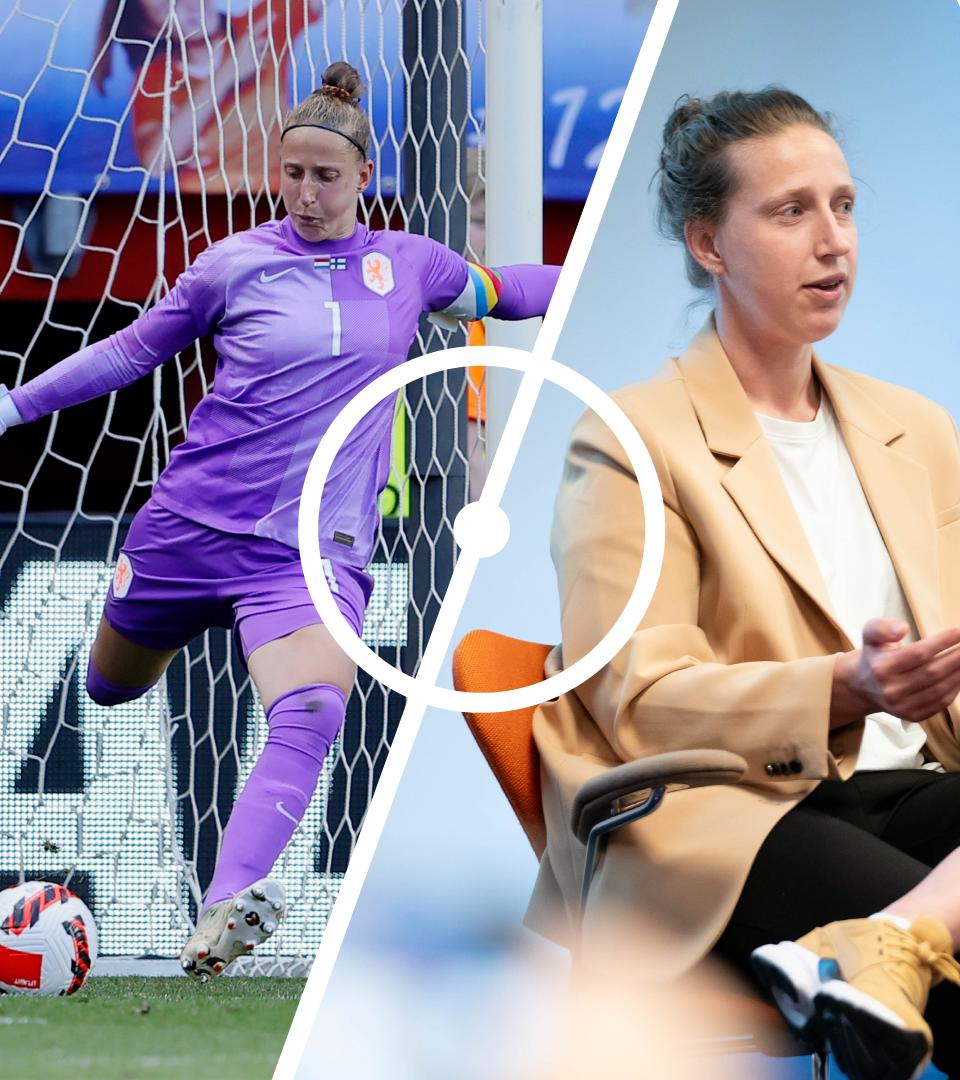
Sari van Veenendaal
Life Beyond the Pitch Starts During the Game
Sport: Football
Club: Former Dutch National Team (91 caps), professional career in European clubs
Country: Netherlands
Dual Career:
Transition from professional football player to women’s football advisor at the KNVB, combining elite sport experience with a professional career in football development.
Advice for Young Athletes:
Don’t focus only on football—develop yourself outside the pitch as well. Explore what gives you energy, build skills for the future, and prepare early for life after your sporting career.
As part of the EDU-DC project, the Ambassador’s Team brings together experienced athletes who share their personal journeys of balancing football with education, work, and life beyond sport. Through their stories, young players gain valuable insights into the importance of dual careers and long-term development.
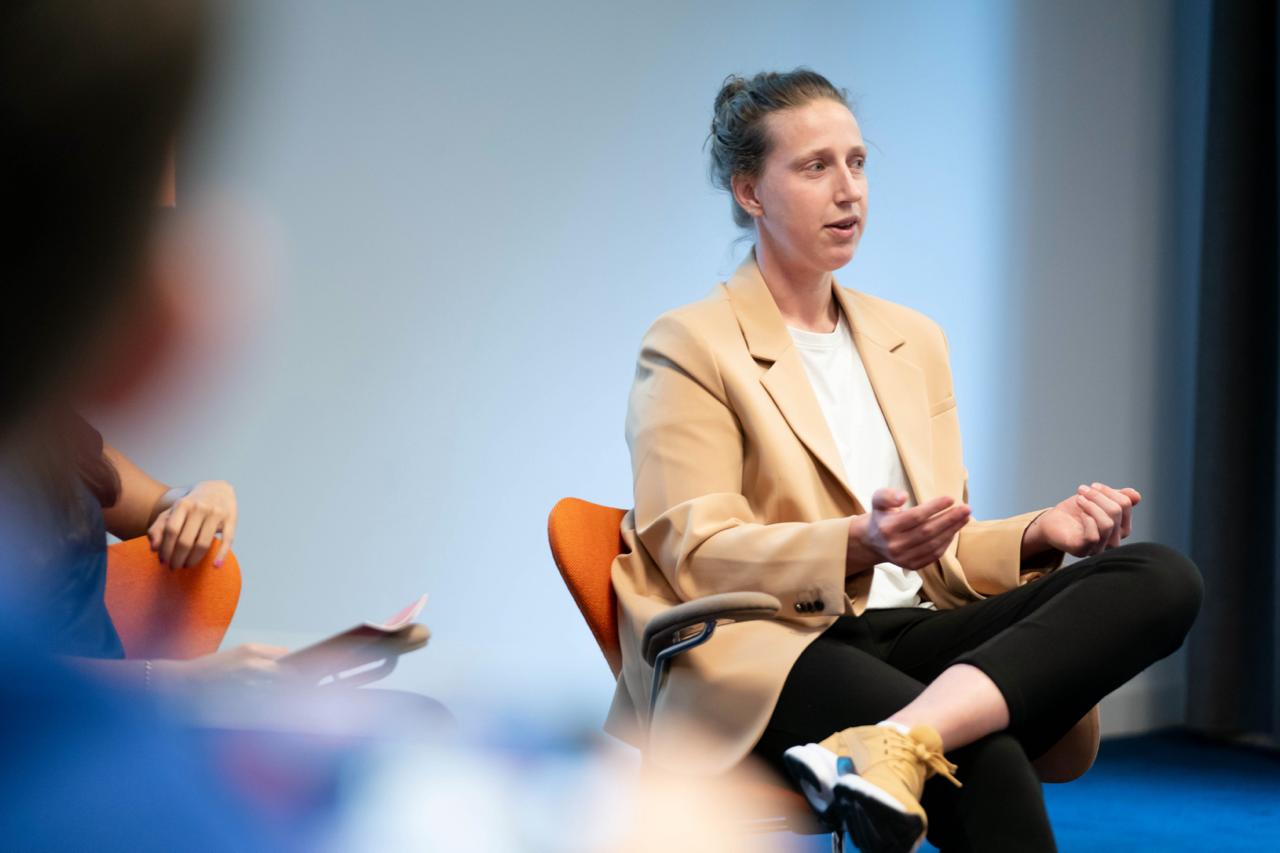
We had the opportunity to speak with Sari van Veenendaal, former Dutch national team goalkeeper, European champion, and now women’s football advisor at the KNVB. In this interview, she reflects on her career, the importance of preparing for life after football, and what success truly means.
Can you tell us about your current role and how your journey in football has evolved?
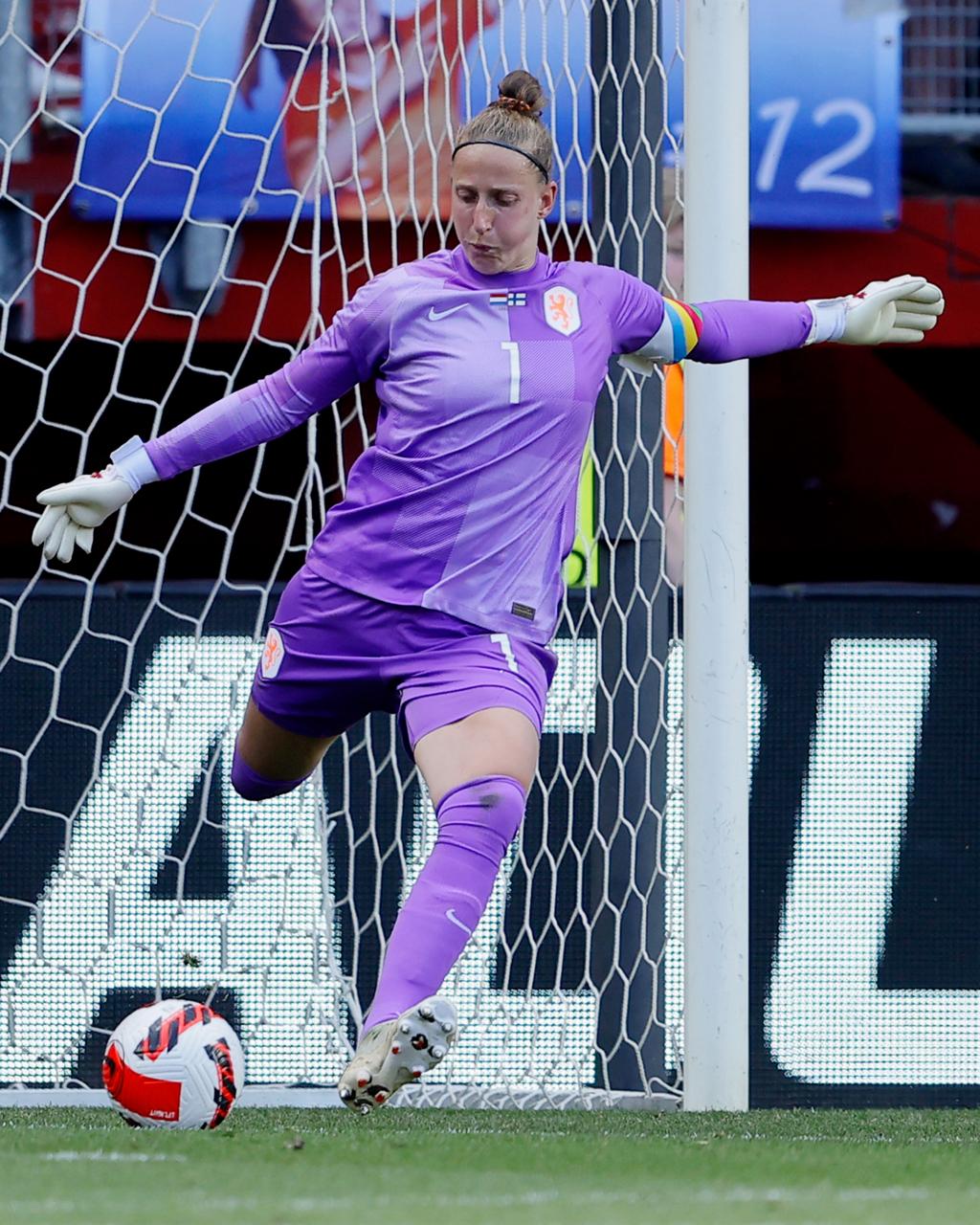
Right now, I’m working as a women’s football advisor for the KNVB. In many ways, I’m still doing what I always did on the pitch—trying to inspire girls to play football—but now I’m doing it off the field. I’ve had a long career as a player, including 91 appearances for the Dutch national team and winning the European Championship, and now I’m continuing that mission in a different role.
When did you start thinking about life after football?
Actually, I was always thinking about it. I always knew that football would end at some point—whether sooner or later. My parents played a big role in that mindset. They always encouraged me to keep studying and to finish something. They told me that once I had that, I could do whatever I wanted, but that education would make things easier in the future.
Why is it important for athletes to develop outside of football?
I think we sometimes romanticise being a footballer. It’s an amazing experience, but it will come to an end. That’s why it’s important to develop skills you can use afterward. You learn a lot through elite sport, but you can also grow outside of it. It’s important to keep expanding your world—looking around, asking yourself what you enjoy, what gives you energy, and what makes you stronger. All of that becomes your foundation for life after football.
Many athletes focus only on sport. What would you say about that?
I completely understand it, because football is beautiful and it can take over your life. But the bigger it becomes, the harder it can be when things are not going well. That’s why it’s important to have something else alongside it—something you can learn from and something that gives you energy outside of football.
Do you see changes in how coaches approach players today?
Yes, definitely. Coaches are becoming more aware of the person behind the player. It’s not just about performance anymore, but also about personal development. This is where dual career and dual development come in. Understanding who your players are, what they need, and supporting their overall wellbeing ultimately leads to better performance on the pitch.
What does success mean to you today?
For me, success is simply being happy and doing something that makes you happy. In football, I experienced that through winning trophies, but even more through the journey of getting there. That process is something I want to continue in the next phase of my life as well.